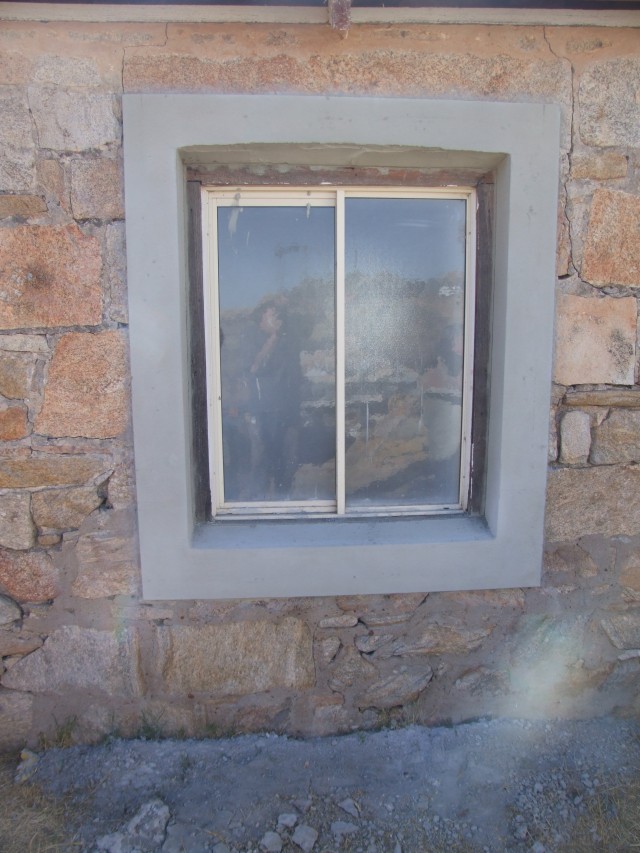
An old stone building built in 1921. This job was done for a blue chip company based in Sydney.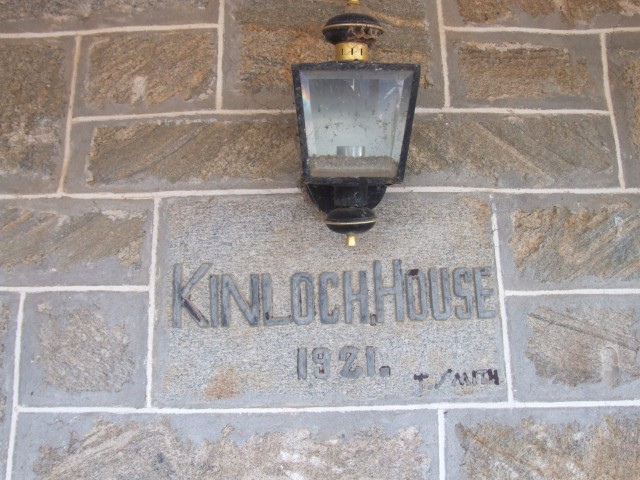
The building has fell into disrepair and needed to made saleable and bought up to a standard.
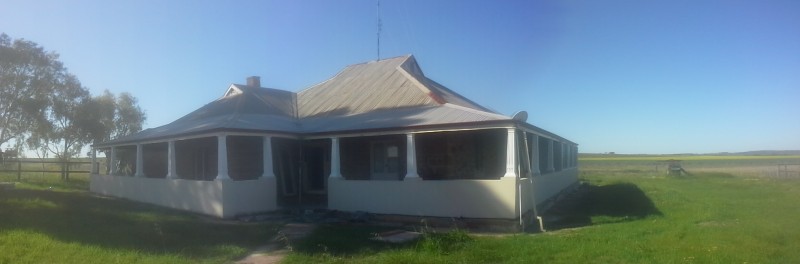
The front of the building showing the old brick wall and cement posts.
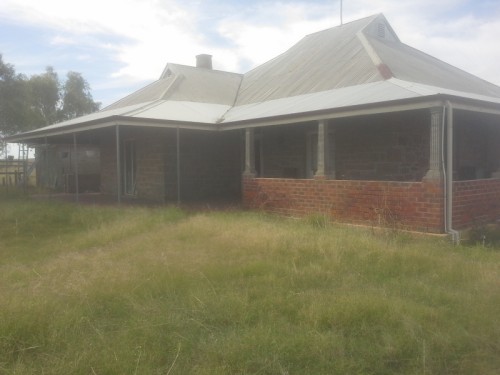
The main house is on the left and the kitchen is on the right.as they were known in the day as station houses. Yes you are correct the guttering does continue through the ceiling space.
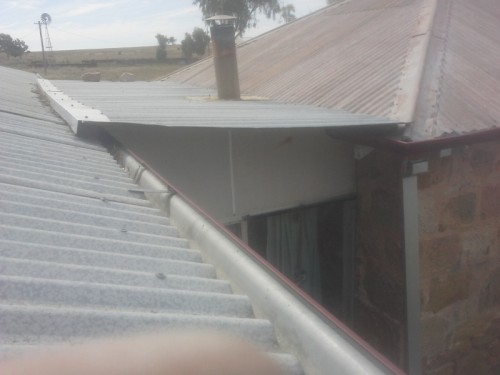
The internal shot of the above photo.
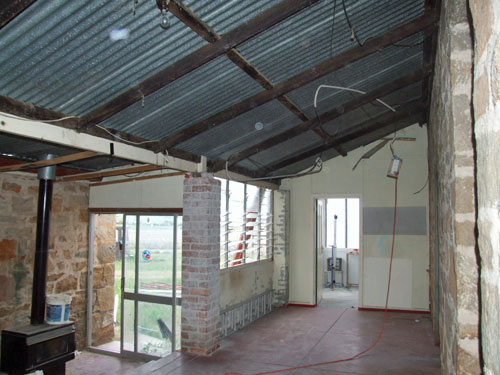
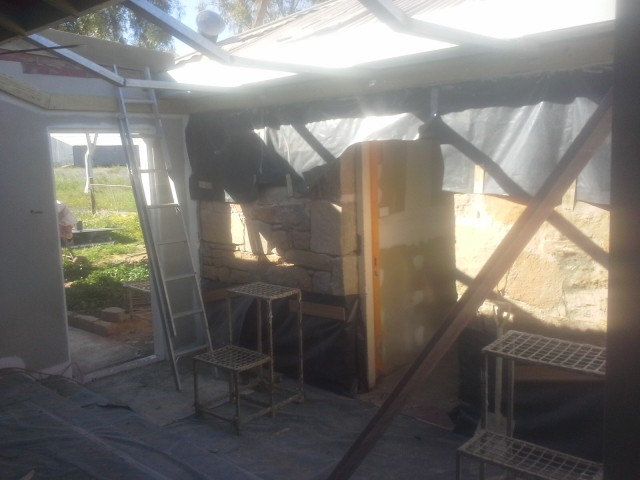
A whole new ceiling frame was made separate to the roof frame. There is a lot of movement in the tin roof and this approach minimizes the risk. Insulation in the roof space is crucial to maintain a consistent temperature and minimize noise in heavy rain.
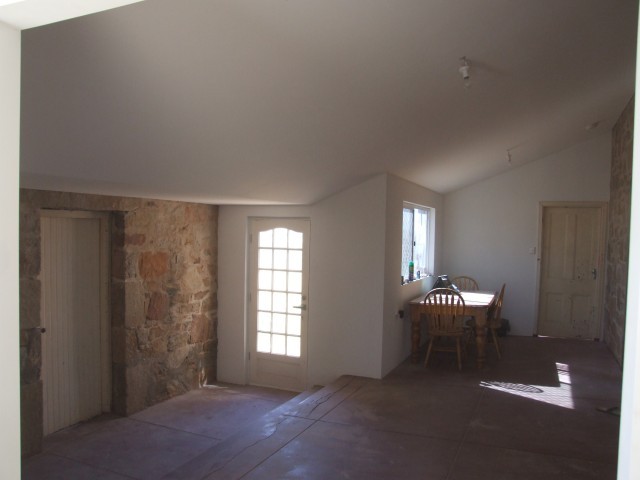
A shadow line has been used at the wall / ceiling junction. This has been used to maintain a clean straight line. This allowed us to affix protective sheeting up and behind the the actual steel profiles.
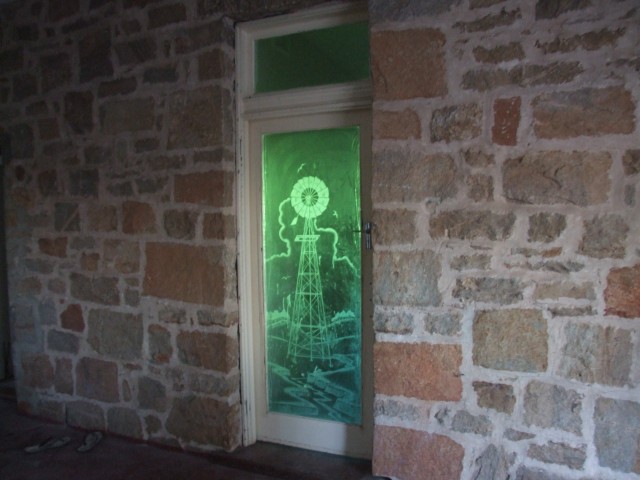
The back door had a windmill etched into the glass. The front door frame had stained glass on the left and right side of the door. The front elevation is facing due west and as the sun moves through its north and south cycle it highlights the window from the red to green on the windmill.
The verandahs perimeter is made up of a 600mm x 300mm stone footing plus another 200mm layer of gravel and cement. The main verandah floor area is 100mm thick. The final finish is a traditional monolithic concrete mixed with a graded fine granite aggregate and cement. This was a traditional plasterers job. and actually required a high degree of skill and strength to achieve a polished finish.
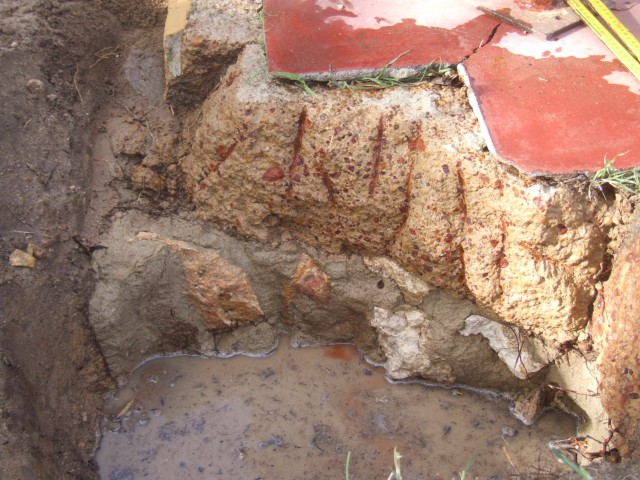
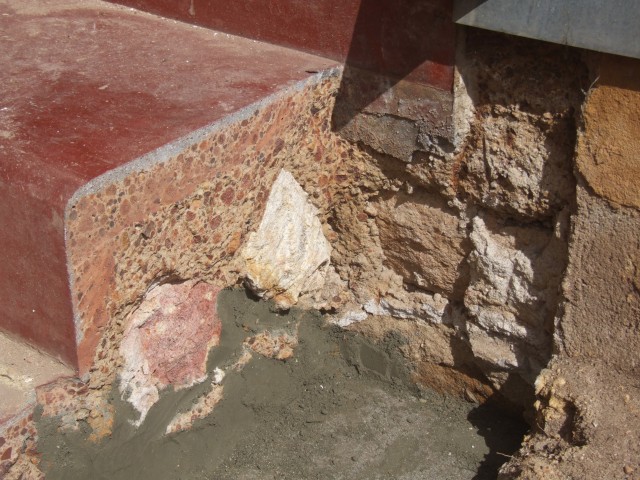
looking at the above photo there seems to be no cement in the gravel mix. I suspect that the gravel had a specific moisture content and was compacted into place by physical hand tamping. The concrete topping keeps the moisture away from the gravel.
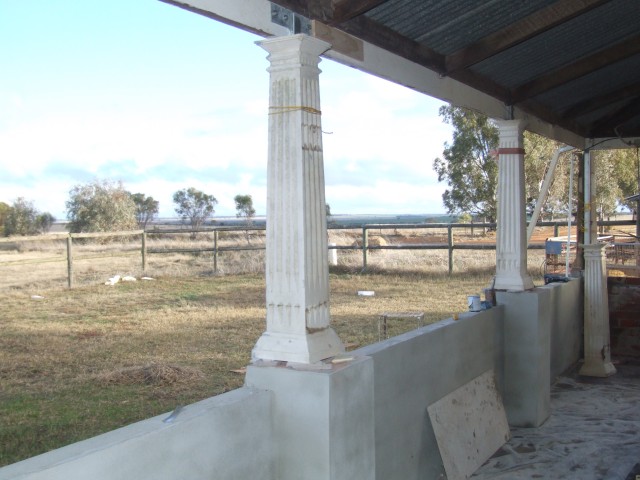
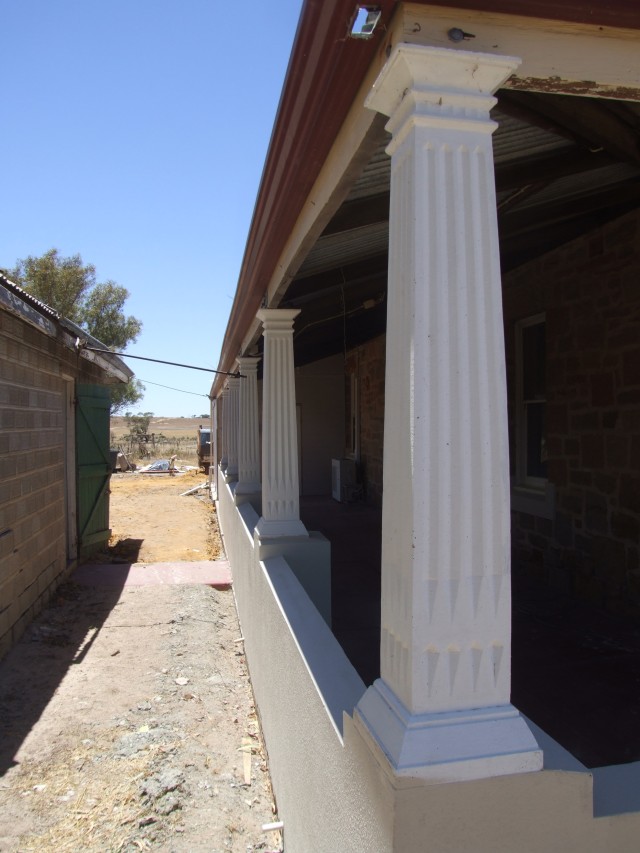
The verandah was covered and the tie down tube was fixed via chemi anchors. We matched the existing wall design.
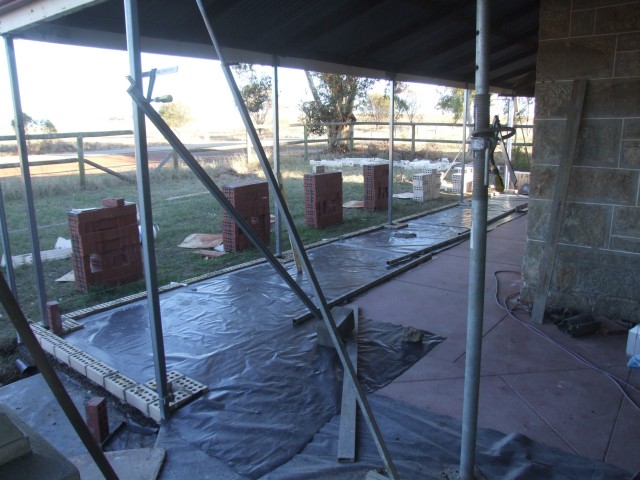
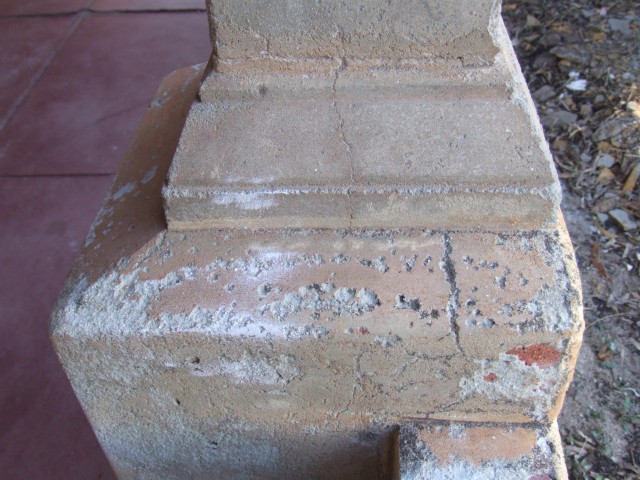
Luckily the new columns were a very close match to the existing columns. The new columns were in two pieces and wrapped around the tie down tube. They were joined and finished with a twp pack epoxy and held in place via a ratchet strap. The base was grouted in.
The window frame has a rebate cut into the timber and creates a clean line at the reveal. A castle sill corbel has been used to add extra protection against water.
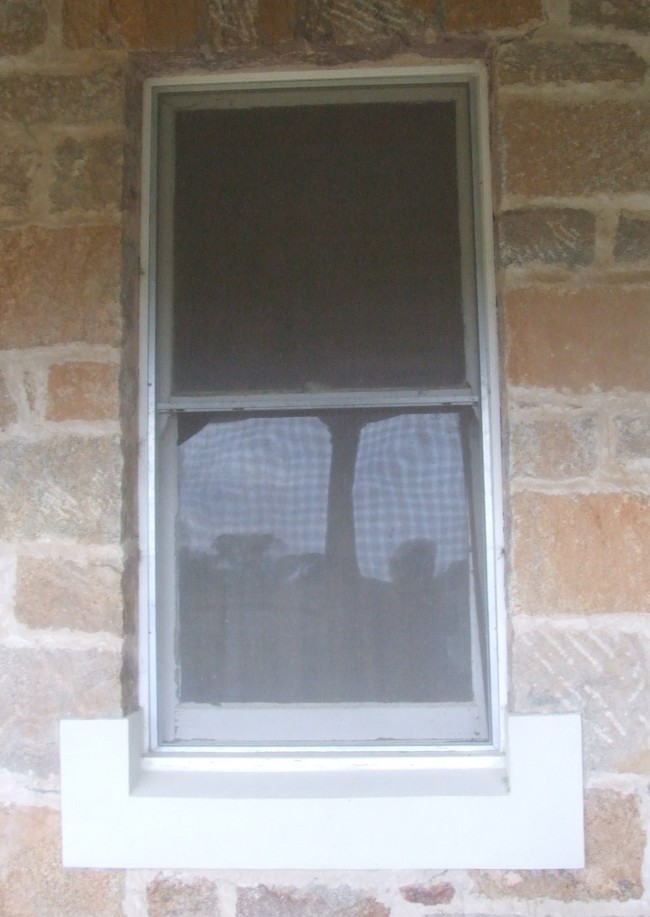
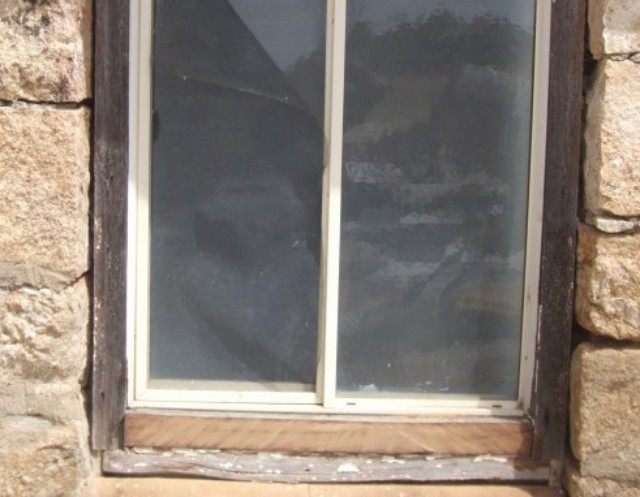
The windows in the rear kitchen have been exposed to the weather for nearly one hundred years. A picture frame corbel was used that encompassed the frame creating a tougher barrier and better water displacement.
The process of building layers of render happens over a period of time. You can see where one more layer at the head of the frame will create squarer head.